SASANE - Fighting Anti-trafficking in Nepal
WHAT THEY DO
In 2007, a group of human trafficking survivors gathered together for the purpose of creating an organization to protect human trafficking survivors, run by survivors. SASANE was registered as an NGO. Today it provides programs and educational resources to empower female human trafficking survivors and girls at risk of being trafficked or re-trafficked.
In 2007, a group of human trafficking survivors gathered together for the purpose of creating an organization to protect human trafficking survivors, run by survivors. SASANE was registered as an NGO. Today it provides programs and educational resources to empower female human trafficking survivors and girls at risk of being trafficked or re-trafficked.
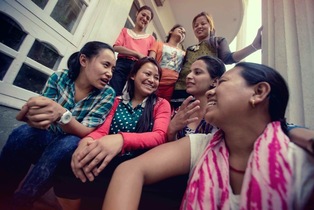
Paralegal Program
The Paralegal program was the original goal since its formation in 2008. Despite the high number of girls trafficked from Nepal, only about 10% of all survivors filed complaints against traffickers. Those who did file complaints frequently found themselves up against bureaucratic and cultural hurdles. Frequently, survivors were unable to receive immediate justice, as the legal system in Nepal placed higher importance on other legal matters. In addition, fear of stigma, threats from traffickers, and lack of knowledge regarding the Nepali legal system kept survivor from filing formal complaints.
SASANE founding members believed they could support and empower women human trafficking survivors in Nepal by training survivors to become certified paralegals. As paralegals, survivors can provide access to justice, free of charge, to other women survivors of human trafficking and gender-based violence in different police stations of Nepal. SASANE paralegals employ a grassroots approach to empowering women survivors through education and tackling the systemic issues in Nepal's legal system from the front lines. SASANE’s paralegals are re-integrated into society not only with education and job skills, but as women leaders who understand their legal rights. This program is helping to change not only each paralegal's life, but the lives of the many women they assist every day.
SASANE has provided its paralegal training for over 190 women. These women have assisted in filing over 3085 complaints and first information reports regarding women, and over 1085 complaints and first information reports regarding children. SASANE has provided legal services in 389 court cases, and rescued over 211 women and girls from exploitive situations and abuse in 2012-13 alone.
Mountain Education Program
Human traffickers most frequently target poor girls living in the rural mountain villages of Nepal. These girls are especially vulnerable because they lack education and often only speak the local language. Moving girls from rural villages to the sex industries in India, the Gulf regions, and urban areas of Nepal is especially lucrative for traffickers.
SASANE takes educational programs to these rural villages, educating families about trafficking schemes. The Community Outreach Program focuses on providing informal education to the mothers of rural girls who can transfer their knowledge to their daughters and be increasingly vigilant of potential traffickers. In addition, the Community Outreach Program provides educational material to girls in these locations including a comic book about human trafficking.
The Paralegal program was the original goal since its formation in 2008. Despite the high number of girls trafficked from Nepal, only about 10% of all survivors filed complaints against traffickers. Those who did file complaints frequently found themselves up against bureaucratic and cultural hurdles. Frequently, survivors were unable to receive immediate justice, as the legal system in Nepal placed higher importance on other legal matters. In addition, fear of stigma, threats from traffickers, and lack of knowledge regarding the Nepali legal system kept survivor from filing formal complaints.
SASANE founding members believed they could support and empower women human trafficking survivors in Nepal by training survivors to become certified paralegals. As paralegals, survivors can provide access to justice, free of charge, to other women survivors of human trafficking and gender-based violence in different police stations of Nepal. SASANE paralegals employ a grassroots approach to empowering women survivors through education and tackling the systemic issues in Nepal's legal system from the front lines. SASANE’s paralegals are re-integrated into society not only with education and job skills, but as women leaders who understand their legal rights. This program is helping to change not only each paralegal's life, but the lives of the many women they assist every day.
SASANE has provided its paralegal training for over 190 women. These women have assisted in filing over 3085 complaints and first information reports regarding women, and over 1085 complaints and first information reports regarding children. SASANE has provided legal services in 389 court cases, and rescued over 211 women and girls from exploitive situations and abuse in 2012-13 alone.
Mountain Education Program
Human traffickers most frequently target poor girls living in the rural mountain villages of Nepal. These girls are especially vulnerable because they lack education and often only speak the local language. Moving girls from rural villages to the sex industries in India, the Gulf regions, and urban areas of Nepal is especially lucrative for traffickers.
SASANE takes educational programs to these rural villages, educating families about trafficking schemes. The Community Outreach Program focuses on providing informal education to the mothers of rural girls who can transfer their knowledge to their daughters and be increasingly vigilant of potential traffickers. In addition, the Community Outreach Program provides educational material to girls in these locations including a comic book about human trafficking.
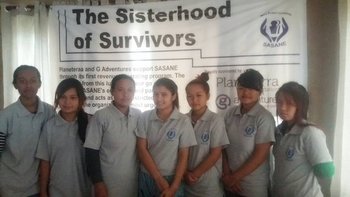
Sisterhood of Survival Program
This program was designed to support female survivors of human trafficking who cannot become certified paralegals because they do not have the equivalent of a high school diploma. These survivors are the most vulnerable to re-trafficking and gender-based violence because they often have no education or job skills. The SOS program provides training to these girls in the hospitality industry through training in conversational English, culinary skills, customer engagement, accounting, and food and beverage management.In addition, the survivors run a lunch program and momo (dumpling) making course with travelers. All the proceeds go towards supporting SASANE's education and paralegal programs as well as providing a platform for the women to practice their English, a skill that will largely contribute to further employment opportunities in the future.
This program was designed to support female survivors of human trafficking who cannot become certified paralegals because they do not have the equivalent of a high school diploma. These survivors are the most vulnerable to re-trafficking and gender-based violence because they often have no education or job skills. The SOS program provides training to these girls in the hospitality industry through training in conversational English, culinary skills, customer engagement, accounting, and food and beverage management.In addition, the survivors run a lunch program and momo (dumpling) making course with travelers. All the proceeds go towards supporting SASANE's education and paralegal programs as well as providing a platform for the women to practice their English, a skill that will largely contribute to further employment opportunities in the future.
In Partnership
GoPhil offered its first grant to SASANE in January, 2016 in support of their Mountain Education Program targeting women, girls and children in seven villages of Nuwakot—an area that experiences heavy trafficking. SASANE believes that the most important tool in preventing this injustice is education. Through its Mountain Education Program, women and children are offered basic education as well as preventive information on issues relating to trafficking.
GOALS & OBJECTIVES:
GOALS & OBJECTIVES:
- Continued support for the Mountain Village Program