Preempt the need for Orphanages and Institutional Care
It is estimated that of the approximate 8 million children living in institutions (thought to be a low figure due to incomplete data), 80% of have at least one living parent. If governments, NGOs, development partners and funding agents concentrated more on creating better health, educational and economic opportunities for parents and families in vulnerable circumstances, we might decrease the probability that a child would need the external support of a shelter.
Our Families First campaign involves providing families and communities with the basic tools they need to thrive as a healthy unit—from educational workshops to improve skills on financial literacy, family care, women’s health and gender issues, and social issues such as domestic violence and substance abuse. Our support is also applied to programs needing assistance transitioning out of residential care and helping families and children with reintegration, kinship or foster care.
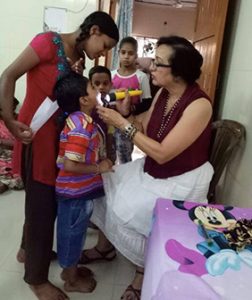

Partner Programs Receiving Funding

Community Cares First Organization - Cambodia
CCFO have been leaders in the field of transitioning out of residential care and supporting families and children with reintegration, kinship or foster care. This work in combination empowers people, supports strength in family units (where possible) and educates people about their job and migration choices.
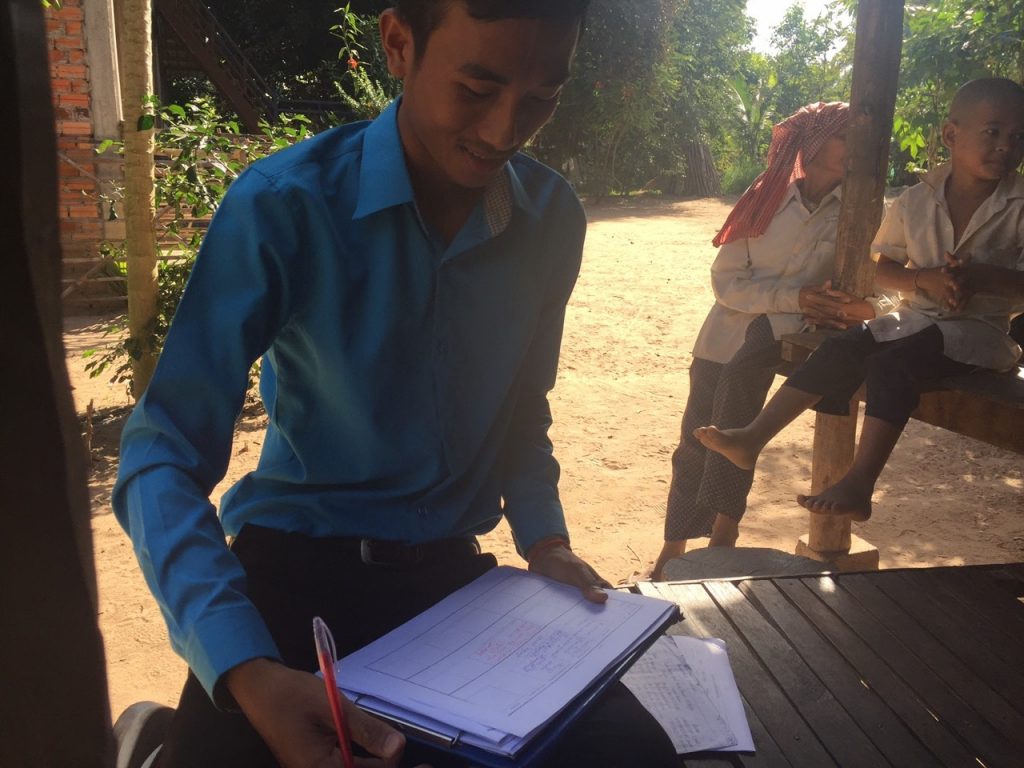
Free to Shine - Cambodia
Free to Shine seeks to tackle sex trafficking by empowering young women through education and helping to keep them in safe environments. They support with scholarships, monitoring girls attendance, community education on trafficking and its root causes, and seek to work with families and support them to ensure children are brought up in family care as a first option.

TARA Homes for Children - India
TARA is an NGO offering a residential service with an emphasis on education for street children and abandoned children. In our homes, we ensure quality education, security, complete health care and a real opportunity to carve a bright future. Our homes are not institutions! They are meant to host no more than 20 children, to ensure a violence-free, family-like environment.
Women's Resource Center - Cambodia
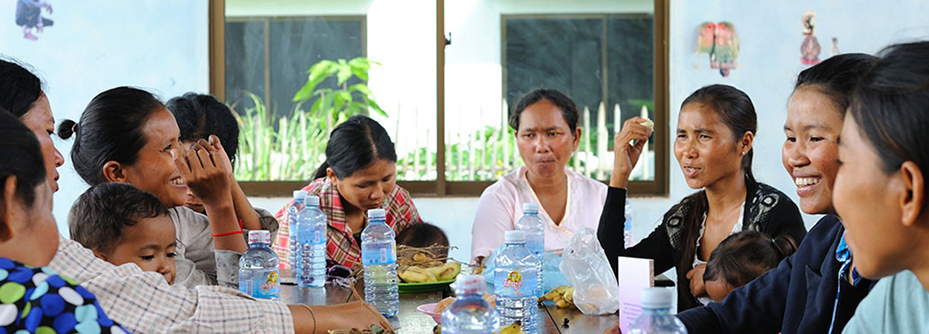
WRC is a local NGO run by Cambodian women for Cambodian women. They provide emotional support, referral services and informal education workshops for free to local women.